
50 inch bathroom mirror
Architectural laminated glass stands at the forefront of modern construction and design, seamlessly blending functionality with aesthetic appeal. This ingenious product is not just a testament to advanced engineering but also an art form that enhances architectural beauty while providing unparalleled safety and efficiency. The essence of architectural laminated glass lies in its unique construction. Comprising two or more layers of glass bonded together with an interlayer, typically made from polyvinyl butyral (PVB) or ethylene-vinyl acetate (EVA), this glass type offers enhanced safety and structural stability. In the event of impact or breakage, the glass shards remain adhered to the interlayer, minimizing the risk of injury and maintaining the integrity of the structure. This primary safety feature makes laminated glass an ideal choice for buildings exposed to extreme weather conditions, high wind areas, or any location where heightened security is a concern. Architectural laminated glass also excels in sound insulation . The interlayer dampens sound waves, making it an ideal solution for environments requiring noise reduction, such as office buildings, studios, or homes near busy streets. Its noise-canceling properties balance the need for transparency and openness in design with the demand for privacy and tranquility, thus enriching the occupant's experience. Another significant advantage of architectural laminated glass is UV radiation reduction. The interlayer not only acts as a binder but also filters out harmful UV rays, thereby protecting interiors from fading and degradation. This quality extends the lifespan of furniture, carpets, and artworks, preserving the investment and aesthetic of the space. The versatility in design that architectural laminated glass offers is virtually limitless. Architects and designers have at their disposal a wide spectrum of colors, textures, and finishes to play with. The glass can be clear, tinted, or frosted, allowing light to be manipulated to create various ambiances—a vital aspect of modern architecture which often embraces the play of natural light within spaces. architectural laminated glass Moreover, customized printed or textured interlayers can transform laminated glass into captivating artistic features. This allows buildings to boast unique facades or glass partitions that align with brand identities or thematic designs. This adaptability positions architectural laminated glass as a central element in achieving cutting-edge designs without compromising safety or functionality. In terms of sustainability, architectural laminated glass contributes positively toward energy efficiency goals. The glass provides thermal insulation properties, which helps regulate building temperatures and reduces the reliance on artificial heating and cooling systems. This characteristic is pivotal for eco-friendly designs aiming for certifications like LEED or BREEAM. From a professional standpoint, when considering architectural laminated glass, choosing a supplier with a proven track record of quality and reliability is critical. Certifications, compliance with safety standards, and positive testimonials can attest to a company's expertise and trustworthiness in providing top-notch products and services. Embracing architectural laminated glass is a wise investment that augments the durability, sustainability, and elegance of any architectural endeavor. Its integration into structures symbolizes a forward-thinking approach that not only meets traditional safety and aesthetic standards but also sets a new benchmark in innovative design solutions. As an authority in architectural solutions, deploying state-of-the-art materials like laminated glass is pivotal in pioneering developments that truly resonate with modern living and environmental stewardship.

-
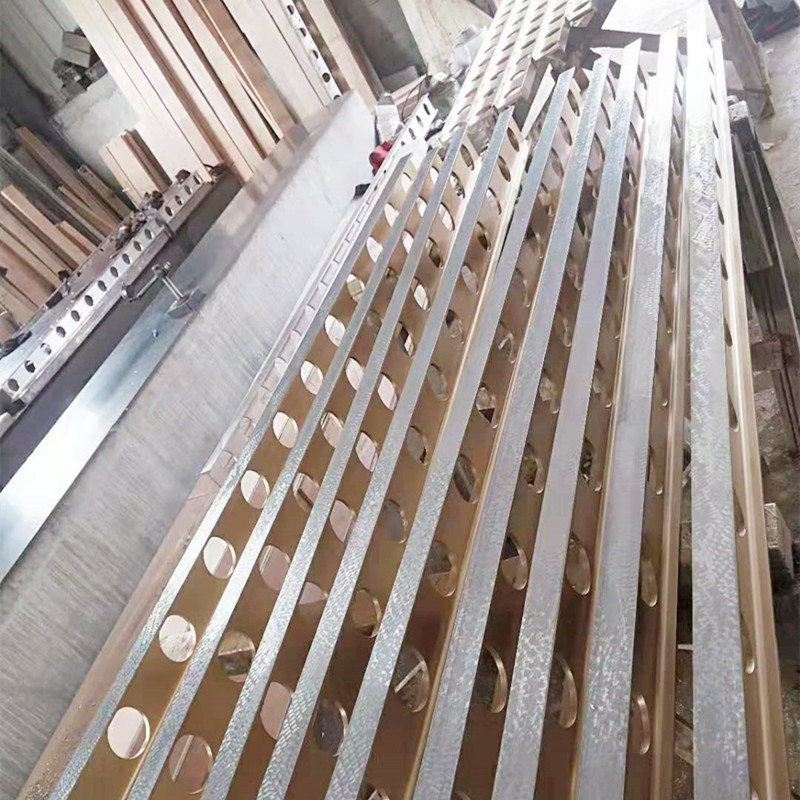
large illuminated bathroom mirror
large illuminated bathroom mirror
View Details -

bronze mirror panels
bronze mirror panels
View Details -
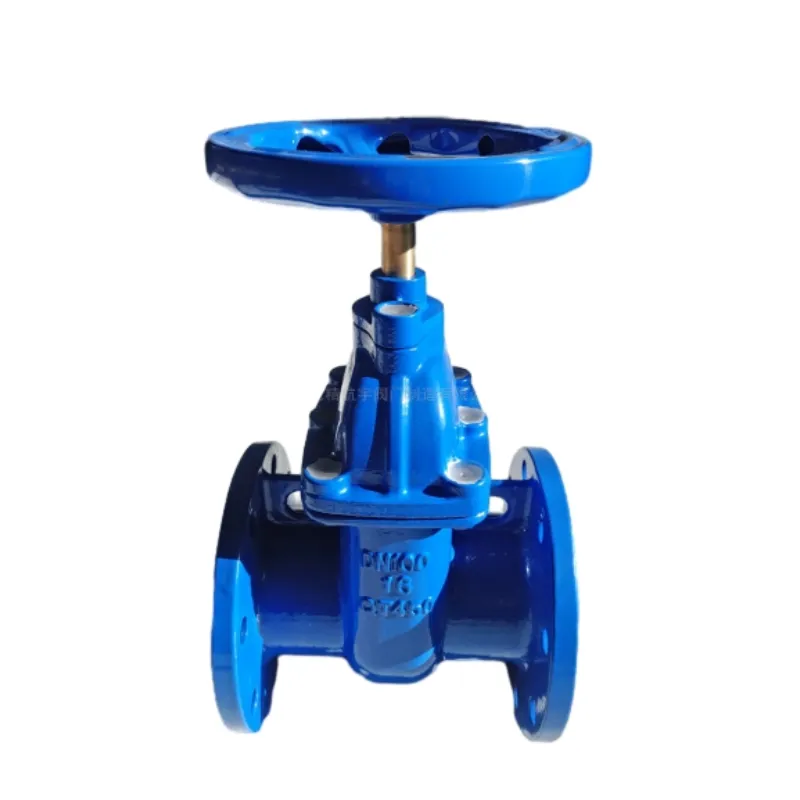
72 inch led mirror
72 inch led mirror
View Details -
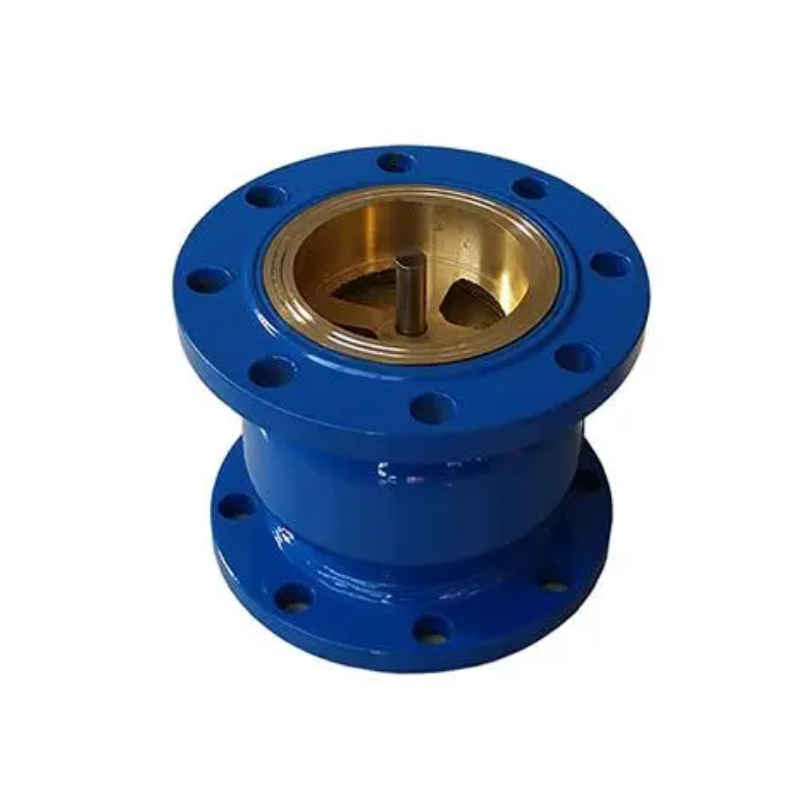
top quality tempered glass
top quality tempered glass
View Details -

frosted glass for sale
frosted glass for sale
View Details
Our application
-
 read more
 -
 read more
 -
 read more
 -
 read more
 -
 read more
 -
 read more
news and information

Varieties of Flow Control Valves and Their Applications in Fluid Management
Different Types of Flow Control Valves Flow control valves are essential components in various fluid

Vanne de retenue à boule de 1% pour une performance optimale du système hydraulique
1 ball check valve .
Water Hose Valve Options for Efficient Gardening and Outdoor Watering Solutions
Understanding the Water Hose Valve A Key Component for Efficient Water Management In the modern worl